Glenveagh to Roundwood — Flat and Scenic
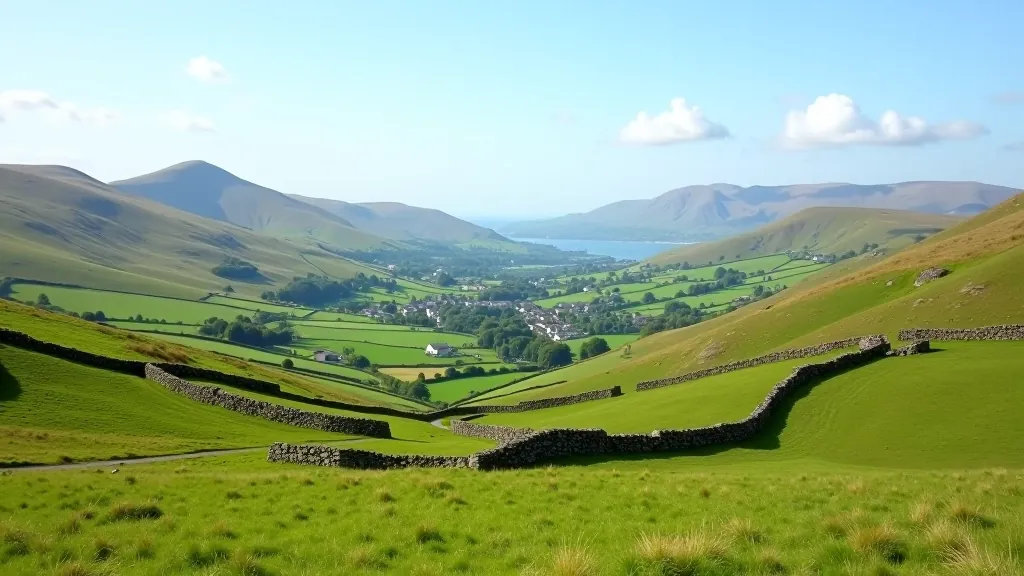
A 6km easy walk through forests with minimal elevation gain. Takes about two hours at a comfortable pace.
Read GuideEverything you need for comfortable day walks through Irish weather. A straightforward guide for retirees exploring Wicklow's gentle trails.

There's a real difference between a comfortable walk and one where you're struggling with blisters, soaked clothing, or dehydration. We're not talking about extreme hiking here — just sensible preparation for a few hours on Wicklow's trails.
The Irish weather won't wait for you. You'll get rain, wind, and sometimes brilliant sunshine all in the same morning. That's why we've created this checklist. It's not about carrying everything you own. It's about having the right things in the right order.
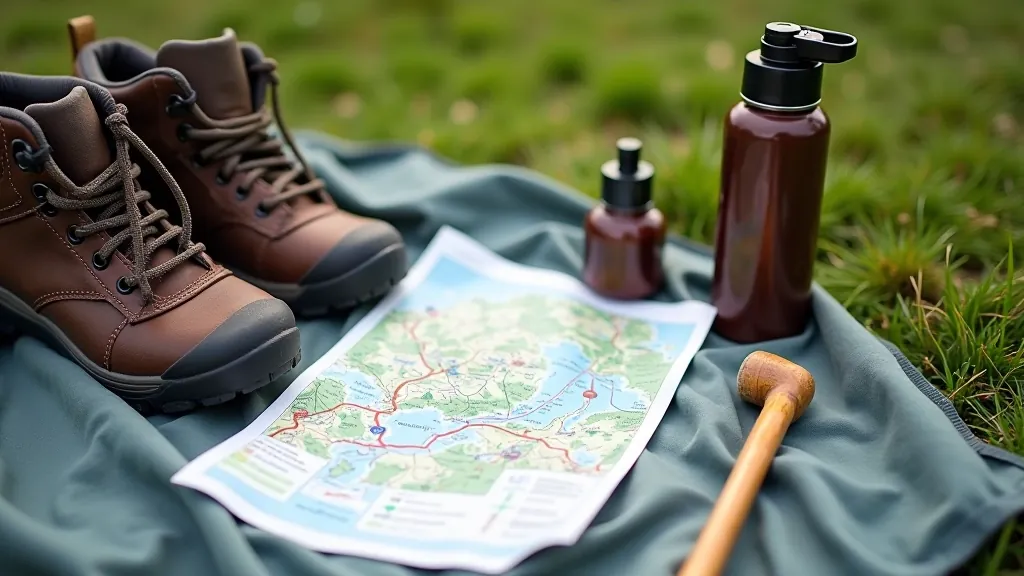
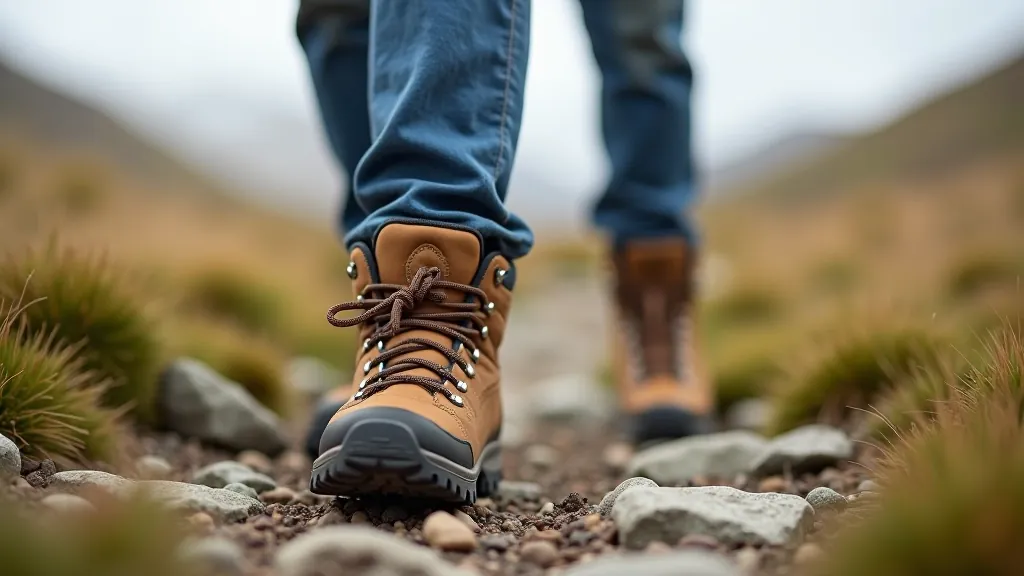
Your feet carry you for the entire walk. Getting this wrong means misery. Don't wear new shoes on the trail — this is the biggest mistake people make. You want hiking boots or sturdy walking shoes that you've worn for at least 10-15 times already.
Look for boots with ankle support and a good grip on the sole. Wicklow's paths get muddy and slippery, especially near streams and in forested areas. Waterproof is essential, not optional. A boot that breathes is also important — your feet will sweat even on cool days, and damp feet lead to blisters.
Bring two pairs of socks. Merino wool is brilliant if you can afford it. Cotton holds moisture, so avoid it. Your spare socks are in your pack as backup if the first pair gets damp. A small towel or microfiber cloth is worth the space.
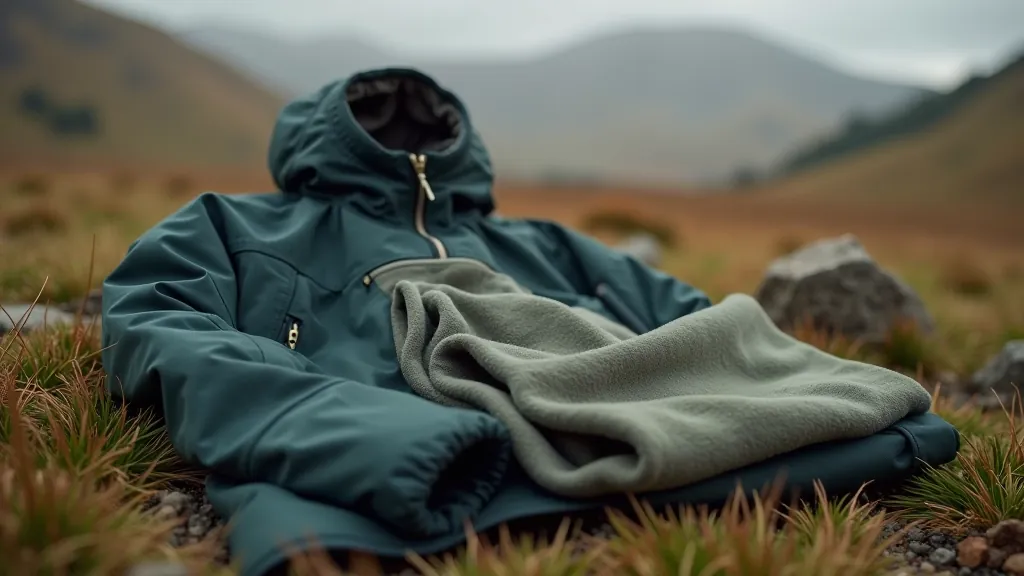
Wicklow's weather changes quickly. You'll start the walk cool, warm up within 20 minutes, then hit a shower. Layering solves this. Don't bring a heavy coat — bring three lighter layers instead.
Base layer (next to skin): Merino wool or synthetic, NOT cotton. This pulls sweat away from your skin. Mid layer: A fleece or wool sweater for insulation. Outer layer: A waterproof jacket that packs down small. You'll add or remove layers every 30-45 minutes depending on activity level and weather.
Trousers should be stretchy and quick-drying. Avoid heavy denim. A lot of walkers prefer convertible trousers with zip-off legs — practical if the weather warms up. Your pack should have enough room to stuff layers as you warm up.
Important: This guide is informational and based on general hiking experience. Weather conditions in Wicklow vary seasonally. Always check the forecast before heading out, and consider hiring a local guide if you're new to the area. Your personal fitness level and any health conditions should guide your trail selection.
You'll need more water than you think. A 5km walk takes roughly 90 minutes at a comfortable pace. Bring at least 1.5 litres of water. If you're walking on a hot day (rare in Wicklow, but it happens), bring 2 litres. A lightweight hydration bladder or bottle that clips to your pack beats carrying a heavy water bottle.
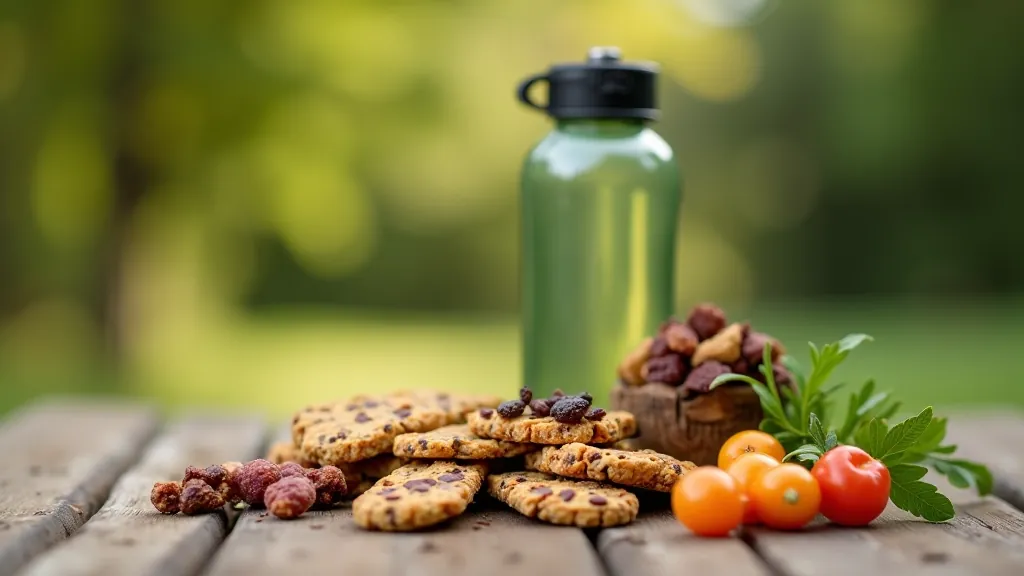
Energy snacks should be simple and calorie-dense. Trail mix, energy bars, dried fruit, and a banana work well. Don't skip the snacks thinking you'll eat at the end — eating small amounts every 45 minutes keeps your energy steady. Salty snacks (like salted nuts) help retain water and replace electrolytes you lose through sweat.
Pack a packed lunch if you're doing a 10km+ walk. Sandwiches, wraps, or salads work fine. Avoid anything that'll get crushed easily. A thermos with tea or coffee is a luxury but it's worth it on cool mornings — stopping for a hot drink at a scenic spot makes the whole walk feel special.
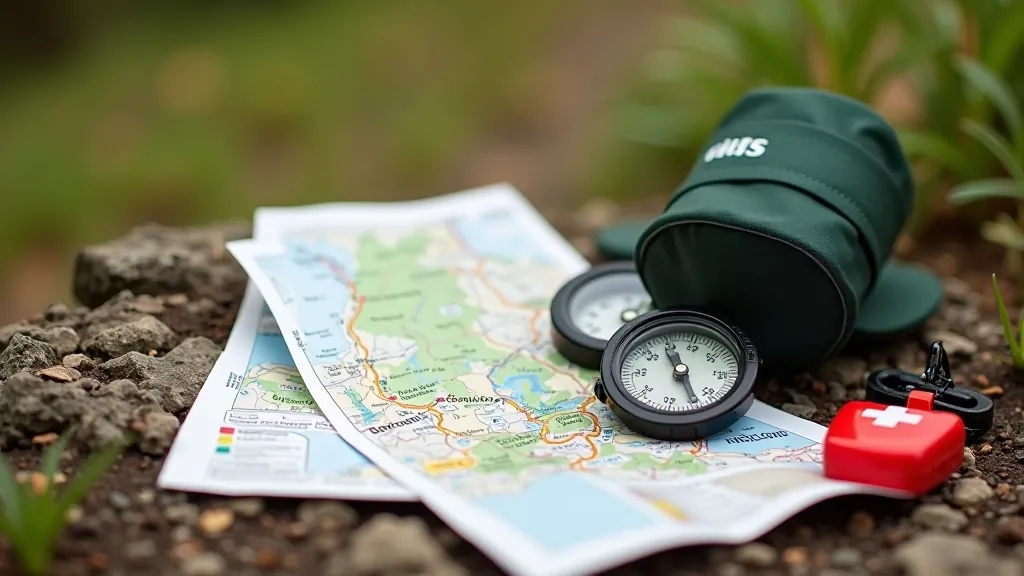
A physical map of the area is non-negotiable. Download the route to your phone too, but don't rely only on digital maps — batteries die, signal drops, and screens get wet. A laminated map stays readable in rain. Bring a small compass even if you've walked the route before. It weighs almost nothing.
A basic first aid kit should include plasters, blister treatment, painkillers, and antiseptic wipes. These take up minimal space. A small knife or multi-tool is useful for gear repairs. A whistle can alert someone if you need help — three blasts is the universal distress signal.
Tell someone where you're going and when you'll be back. Seriously. A simple text saying "Walking the Glenveagh to Roundwood route, back by 3pm" takes 30 seconds and could save your life if something goes wrong. Carry your phone even if signal is patchy — emergency calls work on any network.
A 20-30 litre pack is plenty for a day walk. Anything bigger and you'll be tempted to pack things you don't need. The pack should have a padded hip belt — this transfers weight to your hips instead of your shoulders, which makes a huge difference after an hour of walking.
Pack smart: heavier items (water bottle, food) go in the middle near your back. Lighter items like your jacket go on top. Keep your phone, map, and snacks accessible without unpacking everything. Many packs have side pockets perfect for a water bottle.
Adjust the straps before you start walking. The shoulder straps should sit comfortably, and the hip belt should sit on your hips, not your waist. A pack that fits properly won't cause shoulder or back pain. Test it on a short walk before committing to a longer one.
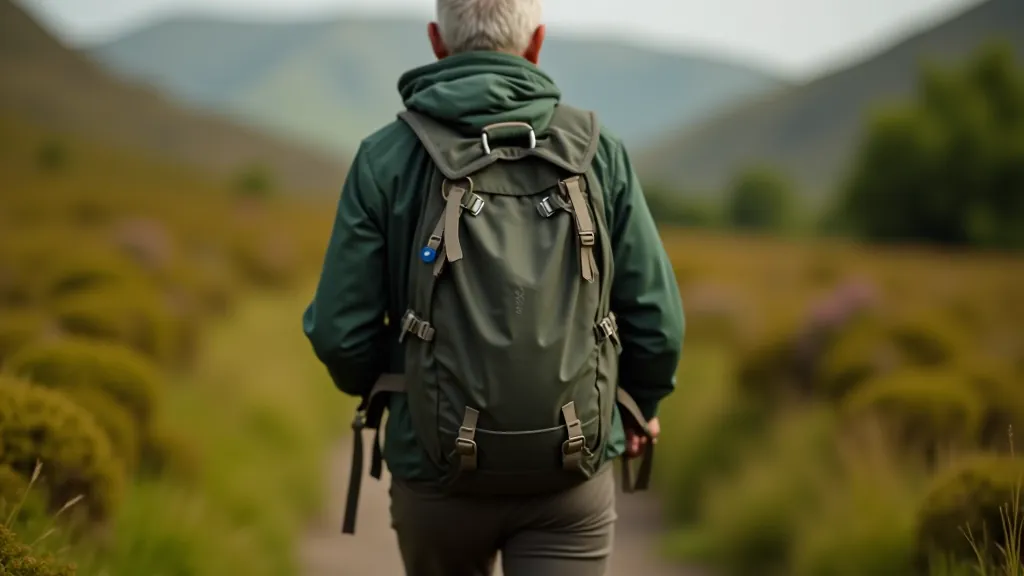
Print this or screenshot it before you head out. Check off each item as you pack.
The best pack is the one that becomes invisible. You don't think about it, and your body feels comfortable. It's not about having everything — it's about having the right things. A well-packed bag with proper footwear and weather protection transforms a walk from uncomfortable to genuinely enjoyable.
Start with this checklist and adjust based on the season and specific trail. Summer walks might need more sunscreen, winter walks need extra layers. The fundamentals stay the same. Your feet, your layers, and your water are always the priority. Everything else is bonus.
Wicklow's trails are brilliant, but they're only brilliant if you're comfortable. Take the time to prepare properly. Your knees will thank you at the end of the day, and you'll actually look forward to the next walk instead of dreading sore feet and damp clothing.
Ready to explore more Wicklow trails?
Browse More Walking Guides